Sextech decoded: A deep dive into consent
When you’re engaging with sextech—be it smart sex toys, sex robots, the digital realm, virtual reality (VR), apps, sending sexy selfies, or any other hot new…
Topic · 97 articles
Showing 25–36 of 97 articles
When you’re engaging with sextech—be it smart sex toys, sex robots, the digital realm, virtual reality (VR), apps, sending sexy selfies, or any other hot new…

Facebook and Instagram will remove advert targeting options based on users’ interest in posts based on sexuality, the social media platforms’ parent company, Meta, has announced….
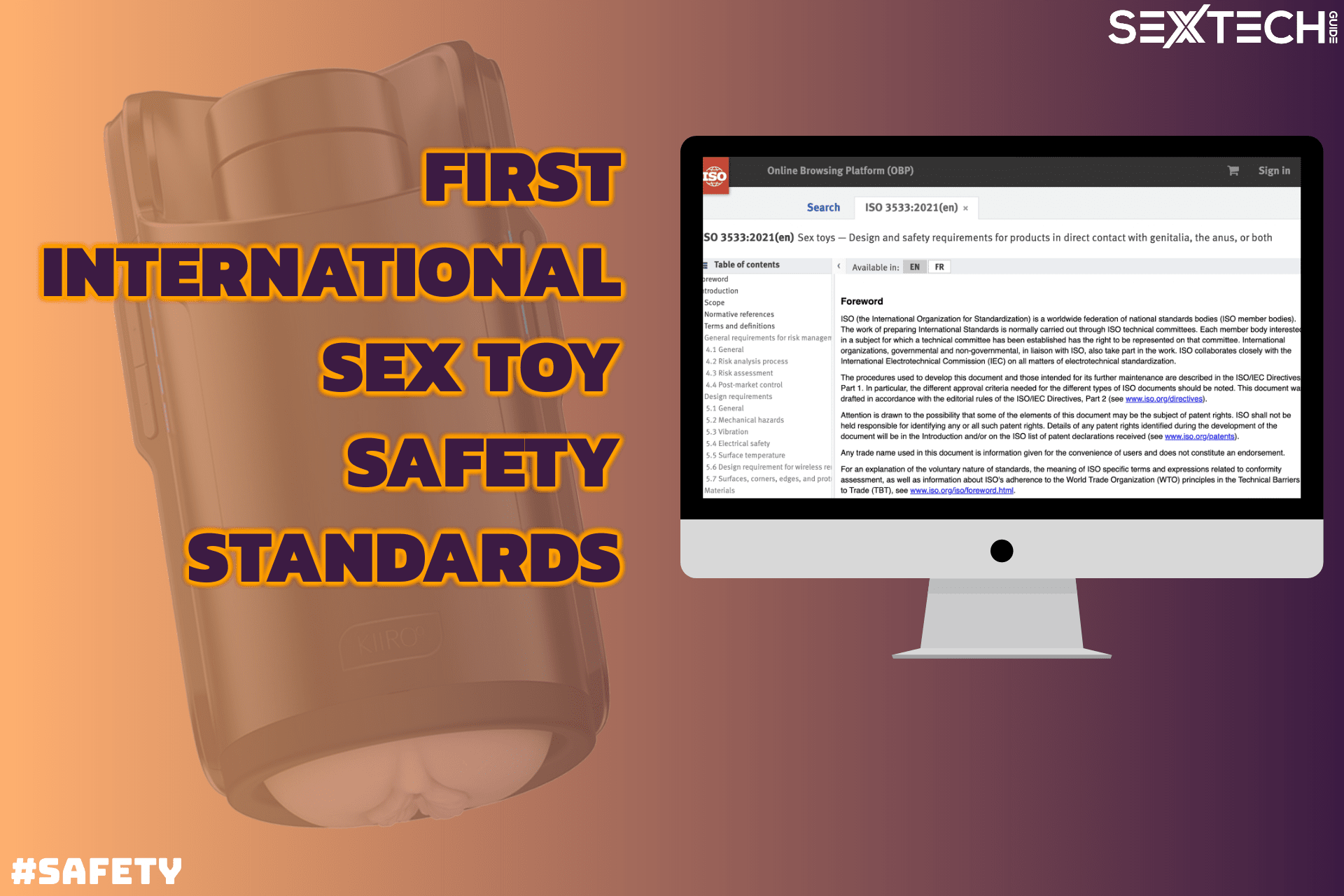
The first international safety requirement guide for sex toys was released in September 2021, but since this time concerns have been raised about its lack of…

Patreon is set to roll out a new set of new tools and procedures for adult content creators selling material on the site, to keep it…
The deeply troubling capabilities of deepfake porn video technology have been highlighted by the launch of a new artificial intelligence (AI) app, which allows users to…

Apple’s decision to delay the introduction of technology that would scan photos in devices including iPhones has been welcomed by tech privacy advocates, amid a huge…

Apple has attempted to allay fears that the company’s upcoming photo-scanning feature, designed to detect images of child abuse among photos uploaded to Apple’s iCloud, threatens…

Police in Australia have proposed the scanning of conversations on dating apps and allowing officers access to sexual assault reports made on them, prompting debate about…

As always though, creating a database of porn users is a really silly idea for privacy.

Even though we might try and forget about how dating apps and connected sex toys store a lot of our data, it doesn’t make the problem…

There should be few people left in the world who believe that information uploaded to a website, forum, dating service or any other app will remain…
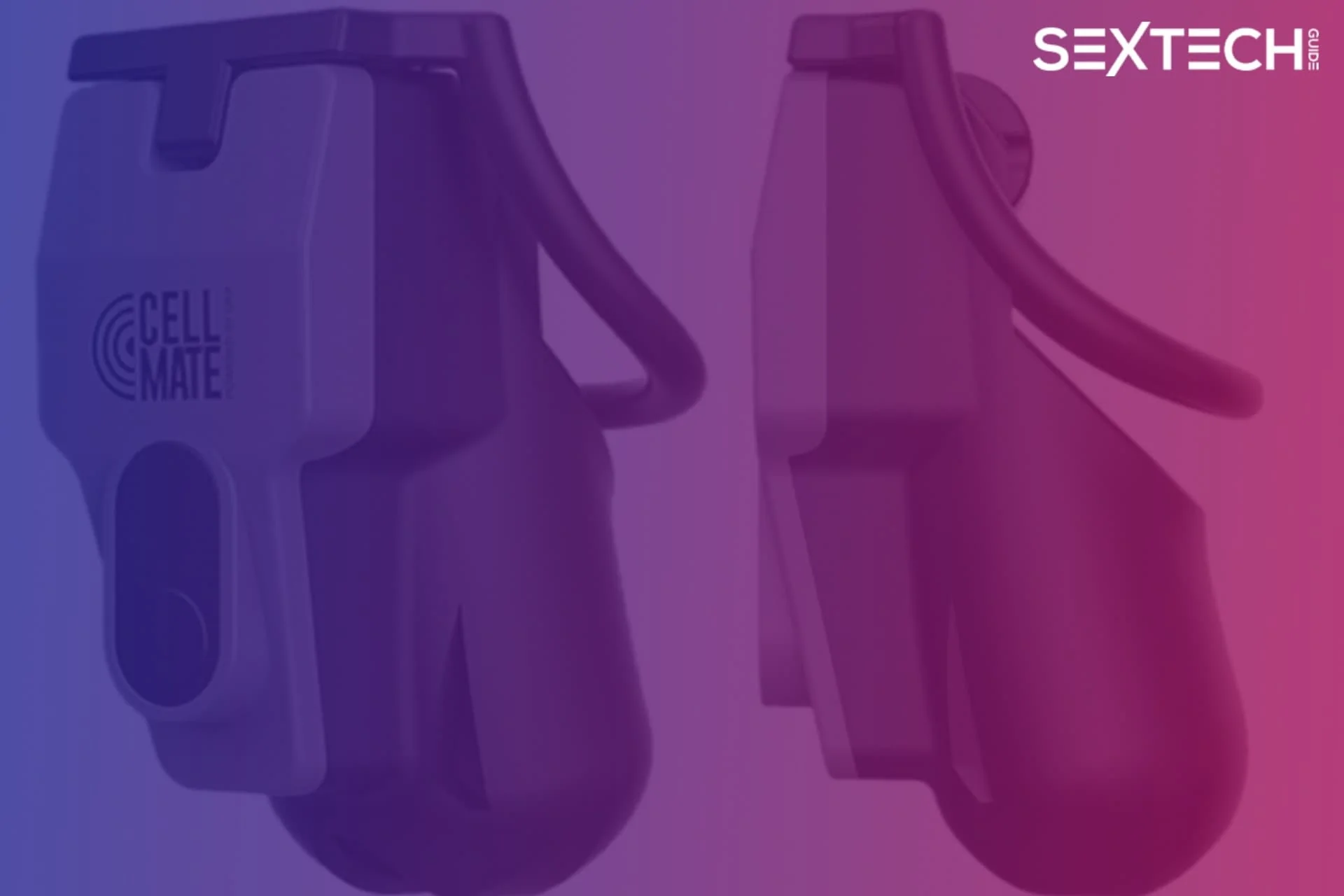
Smart chastity cage, Cellmate by Qiui, was recently found to have some pretty unfortunate security flaws. The device is designed to lock a person’s penis inside…
Current offers: Arcwave up to 30% off Autoblow up to 27% off BaDoinkVR: BaDoinkVR – 1 Day Trial
Prices change without noticeOur Privacy category unravels the complex web of data security in the intimate digital sphere. We dissect headline-grabbing incidents like the We-Vibe class-action lawsuit, which exposed the risks of collecting user data from smart sex toys. The section explores innovative solutions, such as Lovense’s implementation of end-to-end encryption for app-controlled devices, setting new standards for user privacy.
We delve into the murky waters of data collection on dating apps, examining how Grindr’s sharing of HIV status information sparked global debates on sensitive data handling. The category also scrutinizes adult content platforms, from Pornhub’s controversial age and consent verification systems to OnlyFans’ measures to prevent content leaks.
Blockchain’s potential in ensuring user anonymity is explored, with platforms like SpankChain leading the charge in secure, decentralized adult entertainment. We also investigate the privacy implications of emerging technologies, such as VR porn’s data collection practices and the potential risks of deepfake technology in intimate content.
From Mozilla Foundation’s “Privacy Not Included” guide for sextech devices to the European Data Protection Board’s guidelines on dating apps, we provide a comprehensive look at the regulatory landscape shaping digital intimacy. Our aim is to empower users with knowledge, helping them navigate the delicate balance between sexual exploration and data protection in the digital age.