
Aylo lobbies Apple, Google and Microsoft for device-level porn age verification
The company behind Pornhub has written to the world's biggest tech companies asking them to implement age verification at the device level. Aylo argues that site-based…
Topic · 250 articles
Showing 25–36 of 250 articles
The company behind Pornhub has written to the world's biggest tech companies asking them to implement age verification at the device level. Aylo argues that site-based…

An AI-powered teddy bear marketed to children has been pulled from sale after researchers discovered it would happily explain bondage techniques, discuss kinks, and describe sex…

Italy has become the latest country to toughen porn access laws, publishing a list of 45 sites that must introduce robust age verification from November 12….

Character.AI will ban under-18s from having open-ended conversations with its AI chatbots by November 25, 2025, following lawsuits over teen deaths. The move comes as the…

Pornhub has seen its UK traffic plummet by 77 percent since age verification requirements took effect in July 2025 under the Online Safety Act. The site's…

California has signed groundbreaking legislation requiring AI companion chatbot companies to implement safety measures including artificial identity reminders, minor protection from sexual content, and suicide prevention…

Discord says 70,000 government IDs may have been exposed after hackers breached Zendesk, a third-party vendor used for age verification appeals.

Australia just sent a powerful message to deepfake criminals. Anthony Rotondo copped a massive AUD $343,000 fine – the country's first major penalty for posting AI-generated…

OpenAI is rolling out a clever new feature where ChatGPT will guess your age based on how you chat, then automatically adjust what content it's willing…

Starting March 9, 2026, Australians will need to prove they're adults before accessing online pornography, as the country implements sweeping new digital safety measures that could…

The UK’s communications regulation authority has launched age verification investigations into 22 porn sites, that collectively have over eight million unique monthly UK visitors. Ofcom said…
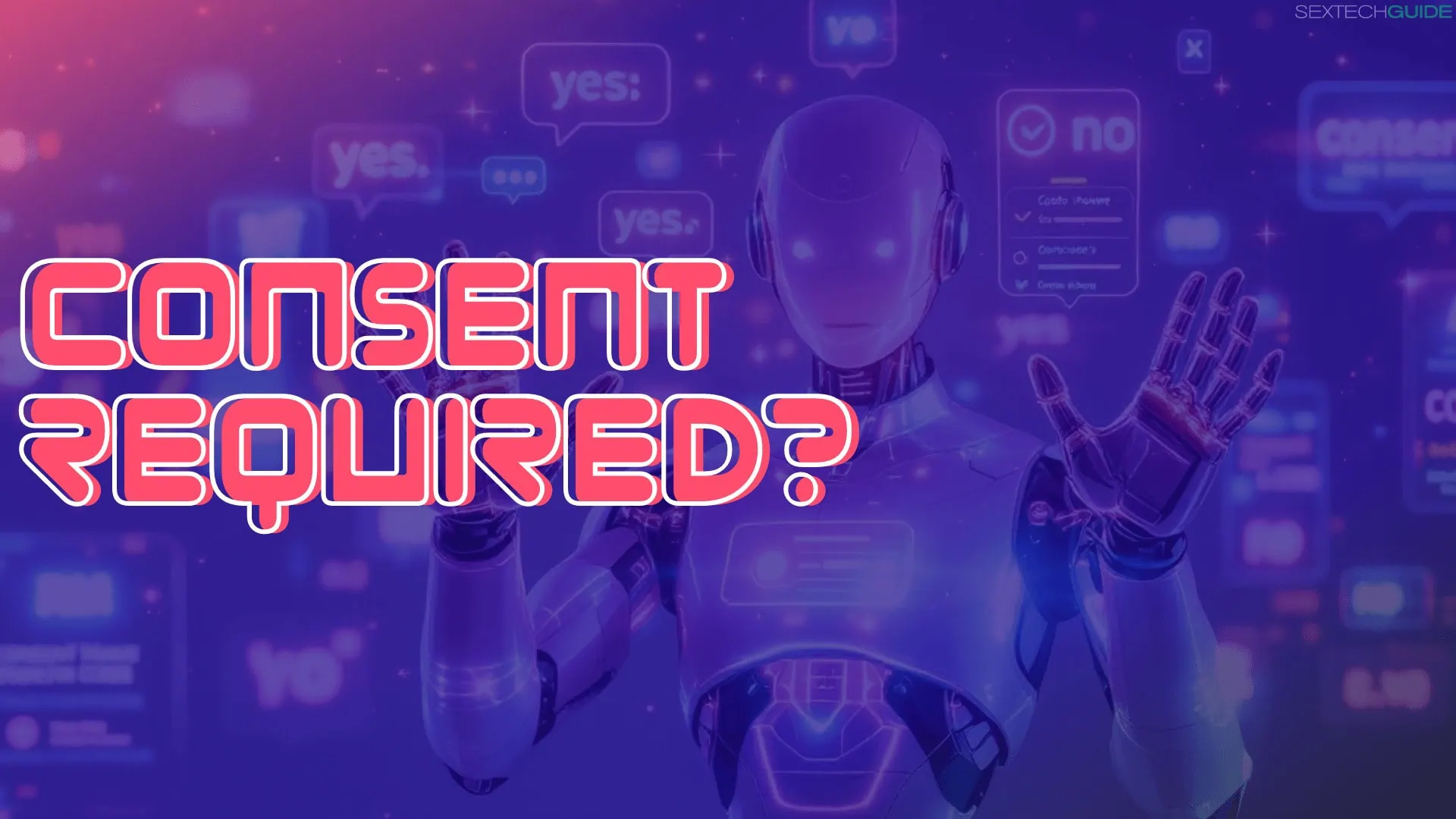
A Dutch legal researcher is proposing that AI-powered sex robots should be designed with explicit consent features—not because the robots need protection, but to reinforce healthy…
Current offers: Arcwave up to 30% off Autoblow up to 30% off BaDoinkVR: BaDoinkVR – 1 Day Trial
Prices change without noticeOur Safety category focuses on the critical intersection of sexual wellness and digital security in the sextech world. We explore the privacy implications of connected sex toys, examining how companies balance innovation with user protection. The section delves into the data collection practices of dating apps and adult content platforms, scrutinizing their privacy policies and security measures.
We investigate potential risks associated with sextech devices, from data breaches to unauthorized access. Our coverage includes practical advice on protecting personal information when using sextech products and services, such as understanding privacy settings and recognizing potential security vulnerabilities.
The category also addresses broader issues of online safety in sexual contexts, including the risks of sharing intimate content and the importance of consent in digital spaces. We examine emerging technologies and practices aimed at enhancing user safety, from encryption methods to anonymous payment systems.
By providing comprehensive, up-to-date information on these crucial topics, we aim to empower our readers to make informed decisions about their digital sexual experiences while safeguarding their privacy and security.