
Iowa governor hopeful Zach Lahn’s ‘not a sex toy’ defense runs into FirmTech’s archived blog
FirmTech won an XBIZ award for 'Most Innovative Sex Toy of the Year' while Zach Lahn sat on its board. Now he's…
Tag
FirmTech won an XBIZ award for 'Most Innovative Sex Toy of the Year' while Zach Lahn sat on its board. Now he's…

Who better to discuss gender politics than me, a wealthy, able-bodied, straight, white man? Perhaps that shouldn’t matter. Ideally, we would approach…

Part 1 of this three-part article series started by exploring the state of sextech globally with a focus on Africa, particularly contrasting…

Do you swipe according to your political view? If the answer is a resounding yes, could your political pickiness be a factor…

As one of the fastest declining populations, with its number expected to halve by 2100, Japan’s government is resorting to tech as…

China plans to enforce new deepfake regulations from January 2020.

The UK government’s Law Commission will soon begin reviewing the laws around the taking and sharing of “non-consensual intimate images” as part…
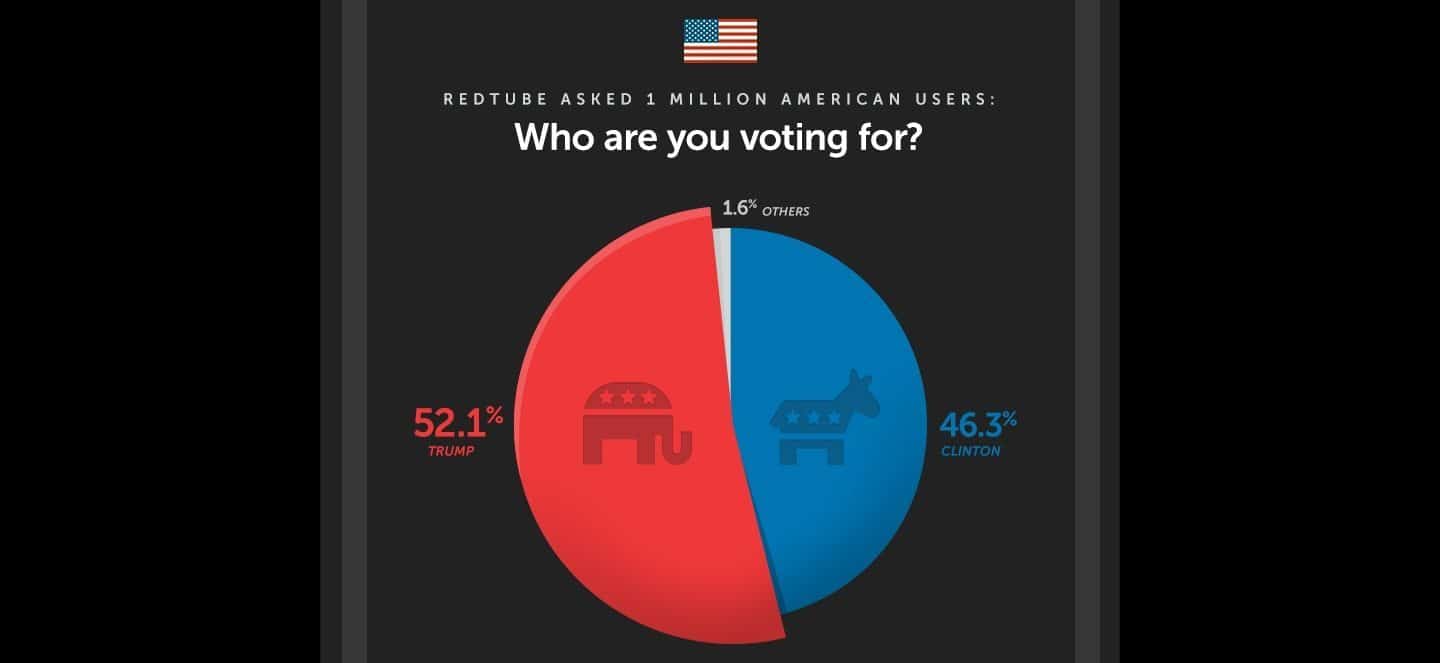
RedTube didn’t exactly endorse the result, but it is reporting (NSFW, obviously) that across a three-week survey of one million users to its…
That is everything in this tag for now – check back as we publish more.
Long-running editorial threads we keep updating as new evidence lands.
Eight years of coverage tracking image-based sexual abuse from DeepNude's brief viral run through today's nudify apps, following the law as it…
View full thread