News
Dating appdates (May ‘26): 'Pixel twins', Tinder's iris scans, and a gay hook-up gold rush
While the broader dating app market sheds Millennial users, gay hook-up apps are pulling in serious money. Match Group just…
Adult Games & Interactive Experiences
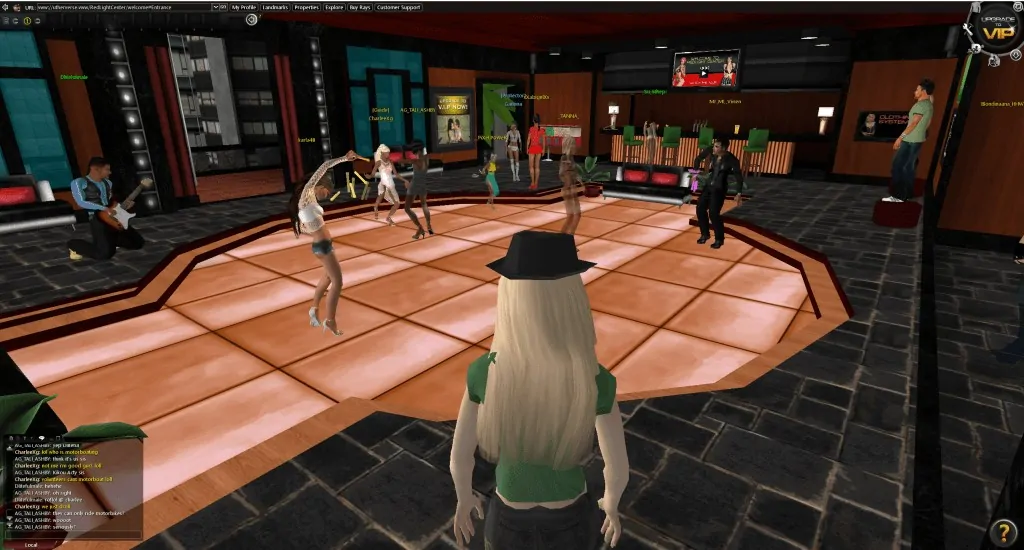
Second Life isn't exactly a sex toy brand, but this virtual world platform has been a major player in digital intimacy since its public launch in 2003. The metaverse environment…
While the broader dating app market sheds Millennial users, gay hook-up apps are pulling in serious money. Match Group just…

If you use a female-presenting avatar when entering a metaverse space, it’s usually not long before a penguin or elf…

Baldur's Gate 3, the hit role-playing game (RPG), has made headlines for its huge playable world, deep narrative, and a…
It has long been understood that if a technology exists, someone at some point will repurpose it in order to…
Reader vote
Would you recommend this brand?