Age verification: A Decade of Coverage
95 entries in this thread.
Category
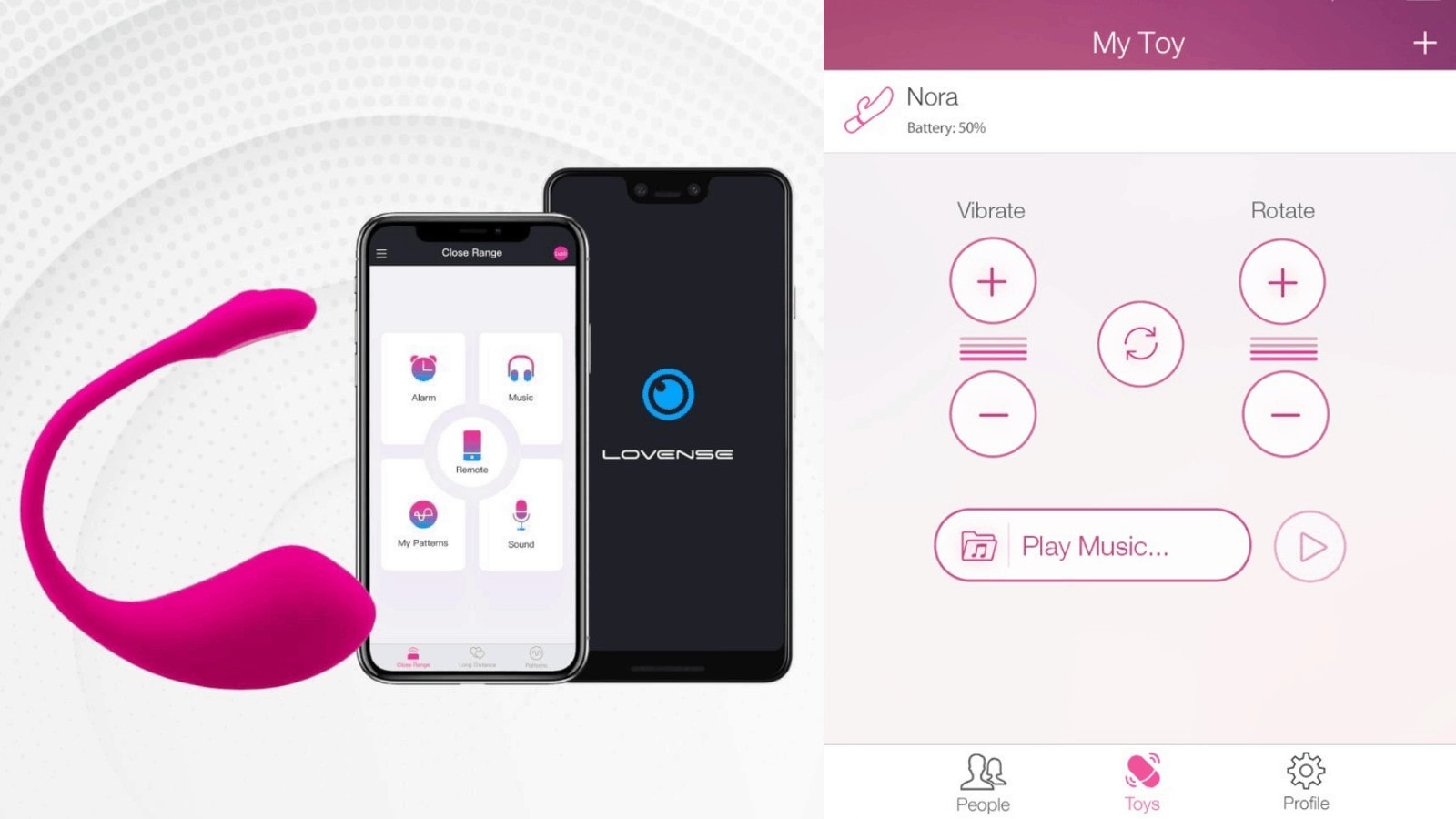
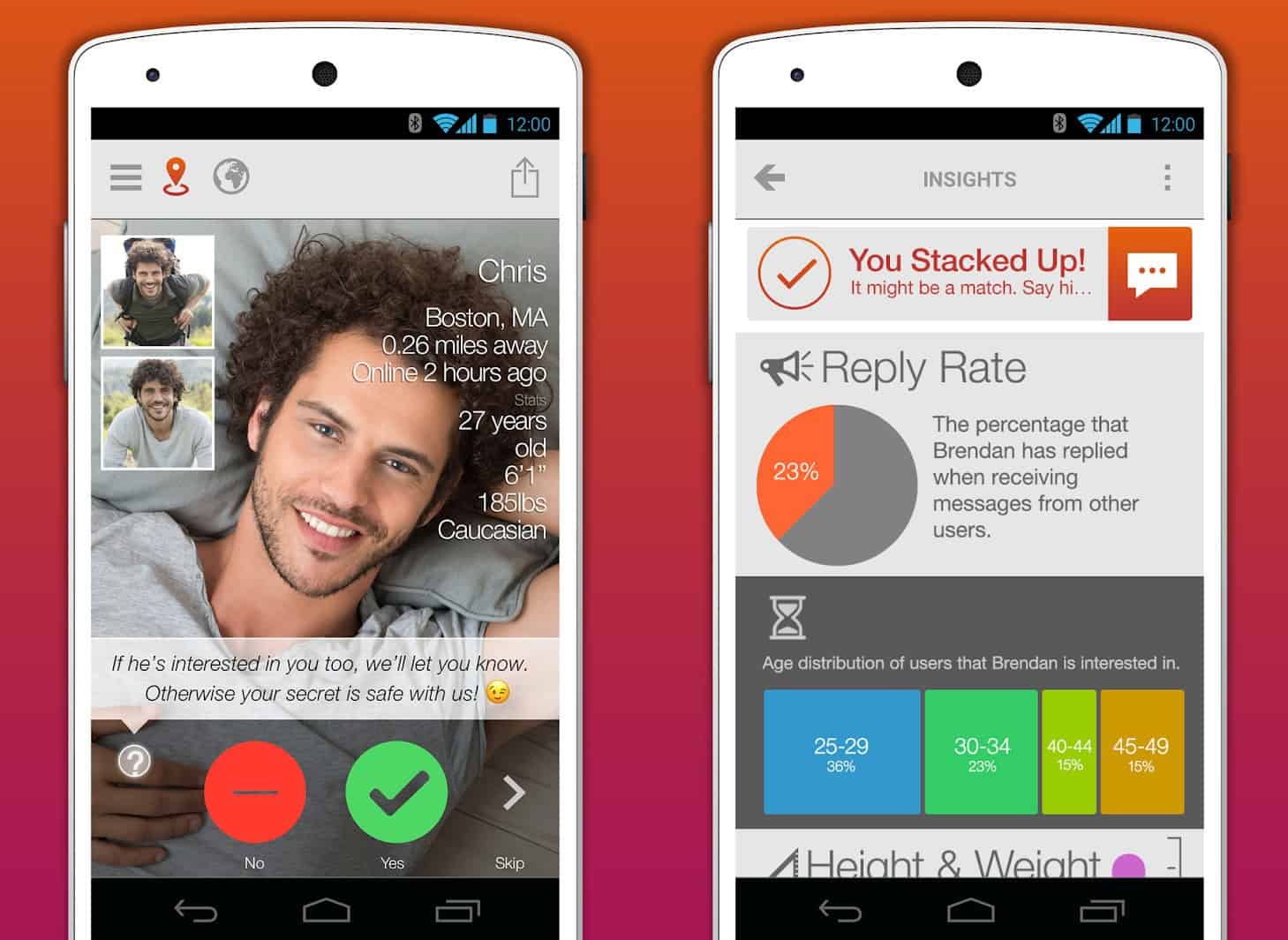
Our Privacy category unravels the complex web of data security in the intimate digital sphere. We dissect headline-grabbing incidents like the We-Vibe class-action lawsuit, which exposed the risks of collecting user data from smart sex toys. The section explores innovative solutions, such as Lovense’s implementation of end-to-end encryption for app-controlled devices, setting new standards for user privacy. We delve into the murky waters of data collection on dating apps, examining how Grindr’s sharing of HIV status information sparked global debates on sensitive data handling. The category also scrutinizes adult content platforms, from Pornhub’s controversial age and consent verification systems to OnlyFans’ measures to prevent content leaks. Blockchain’s potential in ensuring user anonymity is explored, with platforms like SpankChain leading the charge in secure, decentralized adult entertainment. We also investigate the privacy implications of emerging technologies, such as VR porn’s data collection practices and the potential risks of deepfake technology in intimate content. From Mozilla Foundation’s “Privacy Not Included” guide for sextech devices to the European Data Protection Board’s guidelines on dating apps, we provide a comprehensive look at the regulatory landscape shaping digital intimacy. Our aim is to empower users with knowledge, helping them navigate the delicate balance between sexual exploration and data protection in the digital age.
95 entries in this thread.
46 entries in this thread.
A no-deal Brexit could void the EU standstill period blocking the UK's age verification law, potentially bringing the porn block into force as early as November 2019.
Apple Card's privacy promises don't fully extend to Goldman Sachs or Mastercard, leaving adult industry workers with familiar reasons to distrust another mainstream fintech product.
A growing community of DIY sextech hackers is reprogramming sex toys for personalized pleasure, accessibility, and education, operating largely in anonymous online forums and workshop settings.
Threesome dating app 3Fun exposed the real-time location, photos, and personal data of 1.5 million users with zero encryption, taking three weeks to patch after researchers flagged it.
A £1m UK government-funded app for Scottish sex workers, run by charity Sacro, faces accusations from the community it targets that it's a data-gathering exercise rather than genuine harm reduction.
A UK government official admitted the porn block law, due July 15, can't be enforced against sites using DNS encryption, with GCHQ warning that Firefox and Chrome rolling out the technology by default could
A California judge refused to dismiss a class action lawsuit against Lovense parent Hytto Ltd, ruling that vibration intensity data transmitted via its Body Chat app qualifies as protected 'content' under the Federal Wiretap
Security researcher Jeremiah Fowler found an exposed ElasticSearch database containing 42.5 million records from five dating apps, including usernames, locations, and IP addresses still publicly accessible.
A viral tweet exposed a facial recognition tool matching performers in porn scenes to social media profiles, with the developer claiming he didn't build it and that it was designed to help revenge porn
The FTC got three Wildec dating apps pulled from Google Play and the App Store after finding children as young as 12 could sign up without parental consent, violating COPPA — with multiple sexual
Google Chrome 74 patches a loophole that let sites detect Incognito mode, though the fix requires manually enabling it via Chrome Flags rather than shipping as a default.
A security flaw in gay dating app Jack'd exposed thousands of private photos publicly for months after the developer ignored researcher Oliver Hough's disclosure.