
Upskirting’s finally illegal across the UK, but will that stop it?
Legislation has finally passed the House of Lords this week to make ‘upskirting’ a legal offence in England and Wales, punishable with a maximum prison sentence…
Topic · 97 articles
Showing 73–84 of 97 articles
Legislation has finally passed the House of Lords this week to make ‘upskirting’ a legal offence in England and Wales, punishable with a maximum prison sentence…

As preparations for this Spring’s Digital Economy Act grind on, it seems there are still more questions than answers as far as age verification (AV) for…

With the year drawing to a close, there’s still no clear information about the prohibitive legal changes due to come into force in the UK around…

It might seem like everyone knows that lots of companies are collecting and sharing data about their customers in pretty much any given situation, and that while…

I have a bit of a confession to make. Not a major one, not one that had any impact on anyone’s lives, but one that I…
The UK government has been forced to admit that its controversial plans to enforce a mandated age-gate system on any website that shows pornographic content to…
Watching porn in the UK could get a whole lot less private from next year, and that's not a good thing despite what The Guardian says.

Is 33c per user account enough?
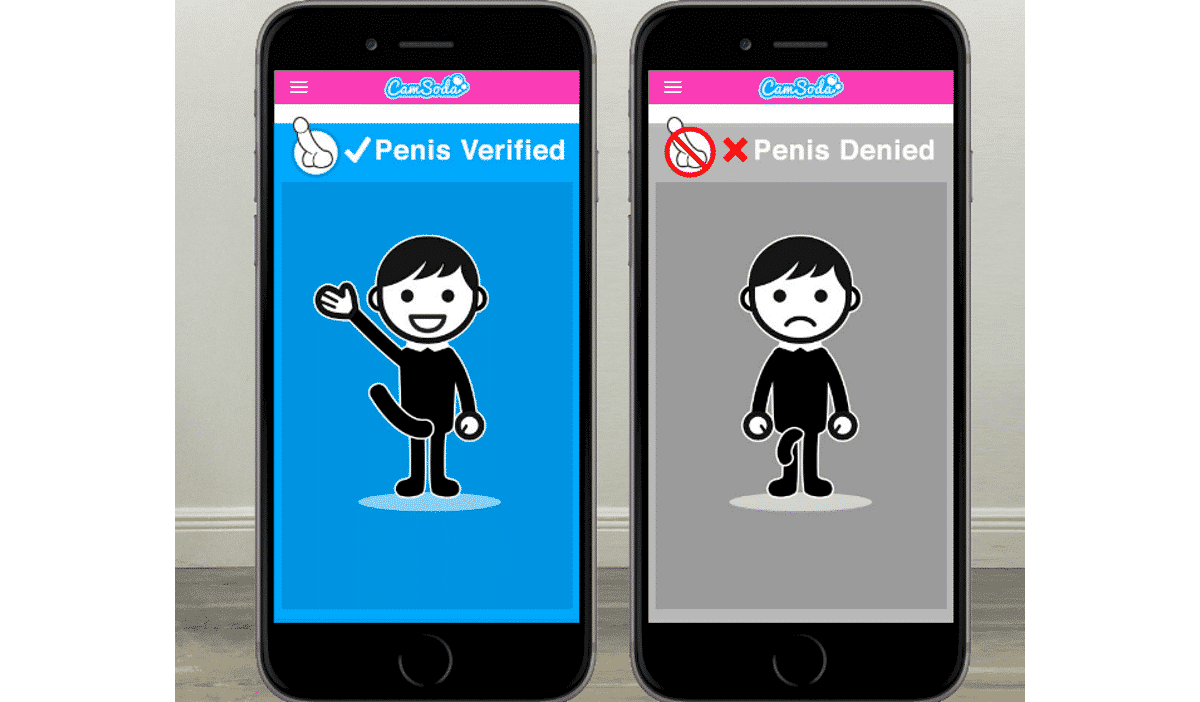
CamSoda has delivered the feature you've finally been waiting for, right?

BoodiGo is an adult-oriented search engine that focuses on privacy.
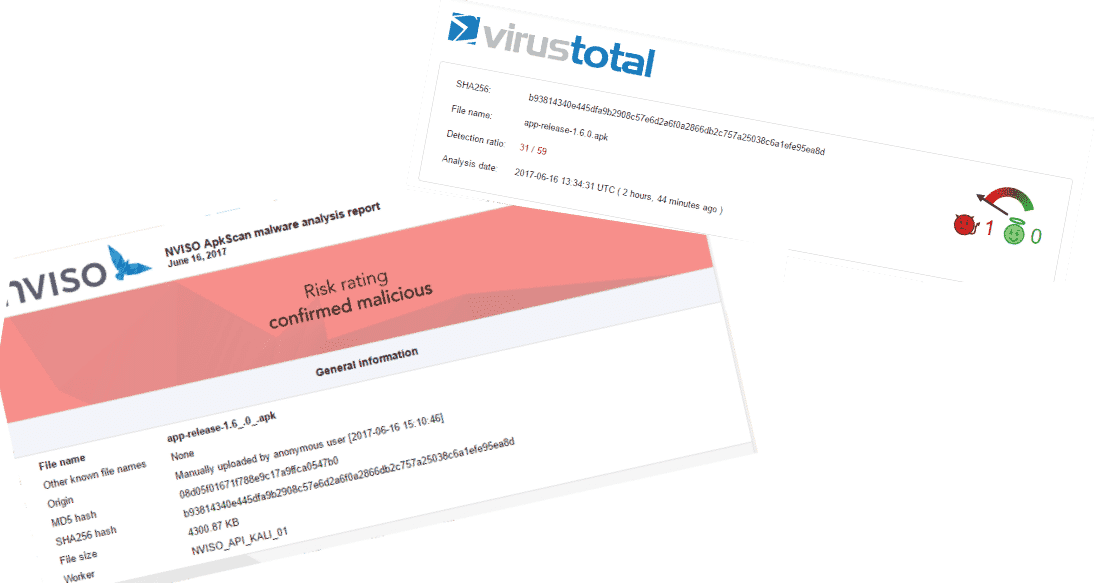
It’s not news that installing a random porn app onto your Android device introduces a certain element of risk, but with some common sense – and…

Netflix's new series 'Hot Girls Wanted: Turned On' is coming under pressure from the FSC.
Current offers: Arcwave up to 30% off Autoblow up to 27% off BaDoinkVR: BaDoinkVR – 1 Day Trial
Prices change without noticeOur Privacy category unravels the complex web of data security in the intimate digital sphere. We dissect headline-grabbing incidents like the We-Vibe class-action lawsuit, which exposed the risks of collecting user data from smart sex toys. The section explores innovative solutions, such as Lovense’s implementation of end-to-end encryption for app-controlled devices, setting new standards for user privacy.
We delve into the murky waters of data collection on dating apps, examining how Grindr’s sharing of HIV status information sparked global debates on sensitive data handling. The category also scrutinizes adult content platforms, from Pornhub’s controversial age and consent verification systems to OnlyFans’ measures to prevent content leaks.
Blockchain’s potential in ensuring user anonymity is explored, with platforms like SpankChain leading the charge in secure, decentralized adult entertainment. We also investigate the privacy implications of emerging technologies, such as VR porn’s data collection practices and the potential risks of deepfake technology in intimate content.
From Mozilla Foundation’s “Privacy Not Included” guide for sextech devices to the European Data Protection Board’s guidelines on dating apps, we provide a comprehensive look at the regulatory landscape shaping digital intimacy. Our aim is to empower users with knowledge, helping them navigate the delicate balance between sexual exploration and data protection in the digital age.