Image-based abuse: tracking the law, the tech, and the gap between them
46 entries in this thread.
Topic
Recent reporting, brand coverage, ongoing story threads, and source-backed context from SEXTECHGUIDE.
46 entries in this thread.
95 entries in this thread.
Pornhub told SEXTECHGUIDE it doesn't use uploaded content for generative AI training, despite terms of service wording that appears to permit exactly that.
The Take It Down Act passed US Congress on April 28, 2025, criminalizing non-consensual deepfake porn sharing and requiring platforms to remove flagged content within 48 hours.
Aylo has partnered with StopNCII.org to flag and remove non-consensual intimate images from Pornhub, YouPorn, and RedTube using hash-matching technology previously deployed with Facebook and TikTok.
US Congressman Joe Morelle introduced the Preventing Deepfakes of Intimate Images Act in May 2023, which would criminalize sharing non-consensual deepfake porn and open creators to civil lawsuits.
TikTok and Bumble joined StopNCII's hash-based non-consensual image removal network, while UK charity SWGfL prepares to launch evidence-logging app Minerva in March 2023.
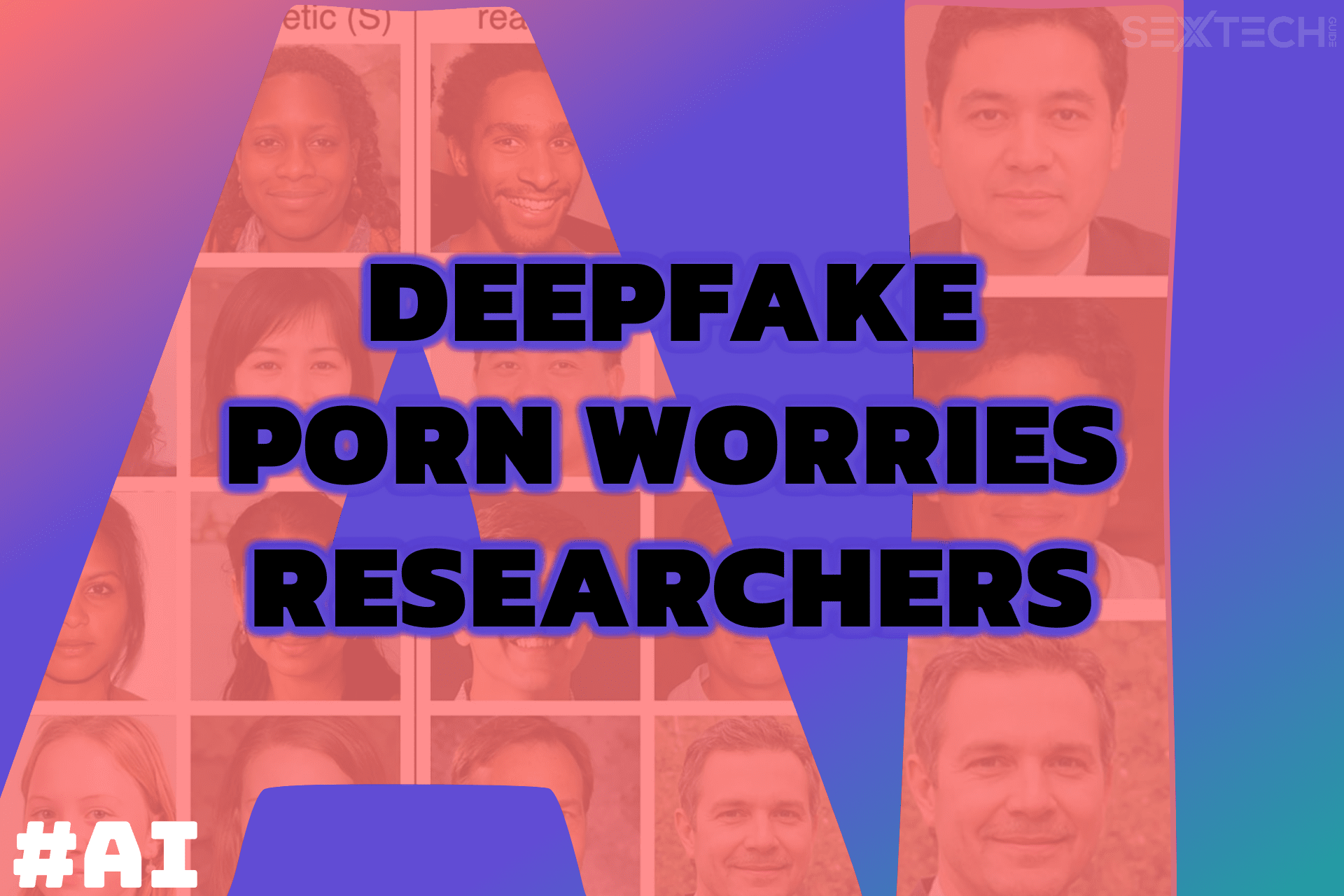
Researchers at Lancaster University and UC Berkeley found participants correctly identified AI-generated faces only 48.2% of the time, prompting calls for ethics guidelines to prevent deepfake abuse.
The $50 DeepNude app, which algorithmically stripped clothing from photos of women using GANs, shut down after going viral, but the underlying technology remains freely available.
The UK Law Commission will review laws on non-consensual intimate images from July 2019, covering deepfakes and cyber-flashing, with new legislation proposed by 2021.