
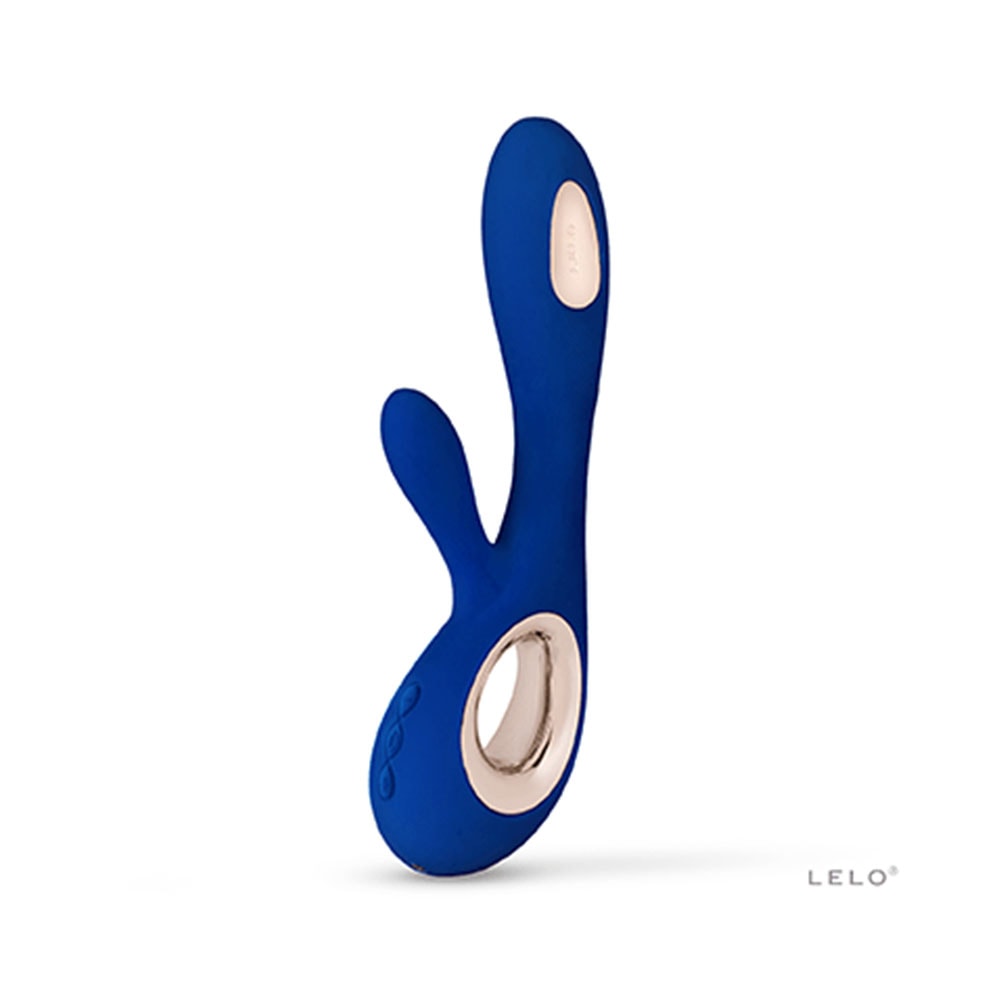
Lelo Soraya 2 Dual Rabbit Vibrator Deep Rose
Was:
£ 199.00
Now:
£ 154.94
Sex Toy Brands
LELO burst onto the sextech scene back in 2003, essentially rewriting what a sex toy company could be. Instead of cheap plastic toys hidden in seedy shops, LELO introduced the…
LELO burst onto the sextech scene back in 2003, essentially rewriting what a sex toy company could be. Instead of cheap plastic toys hidden in seedy shops, LELO introduced the radical idea that pleasure products could be luxurious, beautifully designed objects you wouldn’t feel embarrassed to leave on your nightstand.
The Swedish company takes technology seriously, incorporating body-safe silicone and smart features into its line of vibrators and intimate accessories. What makes LELO stand out in the crowded sextech market is how it blends cutting-edge tech with genuinely thoughtful design. Its rechargeable systems were revolutionary when most competitors were still selling battery-operated products.
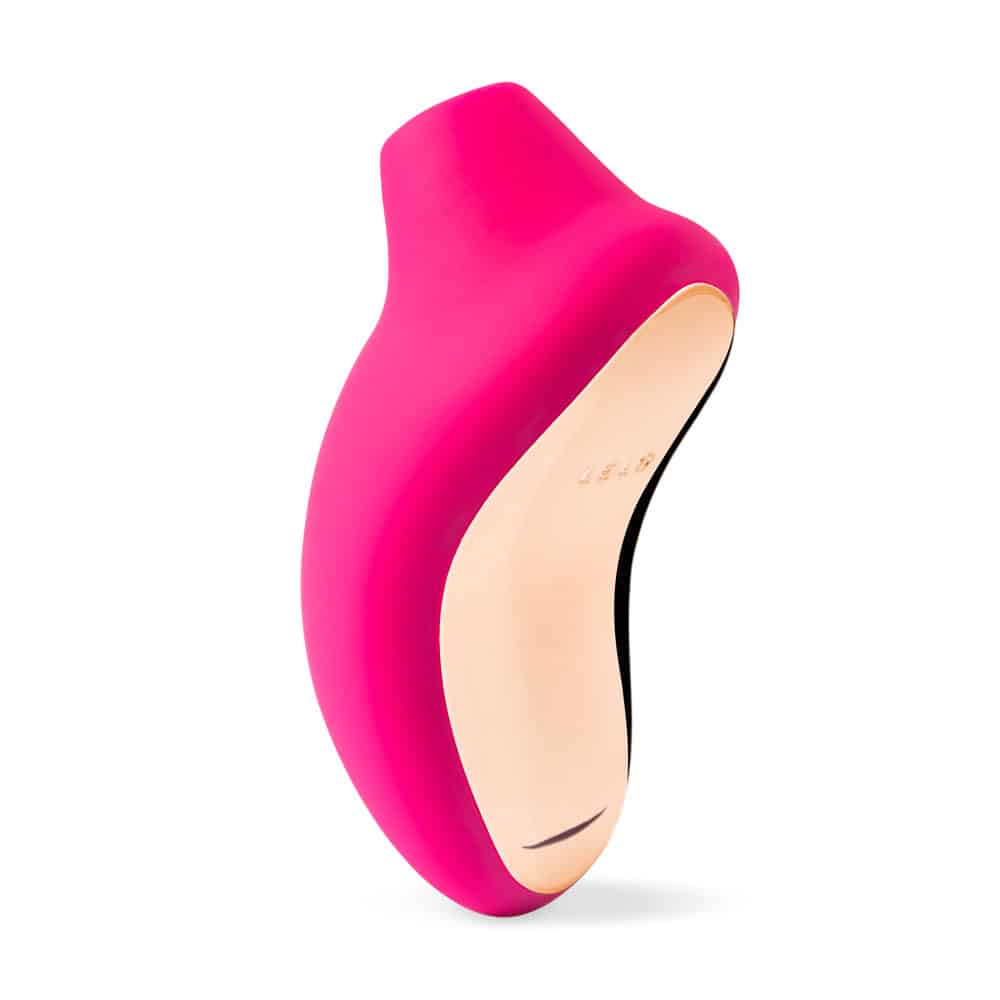
The Sona, LELO’s sonic clitoral massager, shows exactly how the company thinks differently about pleasure technology. Instead of just making things vibrate faster, LELO developed a device using sonic waves that doesn’t even need to touch the body directly to be effective.
While LELO has won numerous industry awards, the company hasn’t been without controversy. Its premium pricing strategy has faced criticism for making sexual wellness technology inaccessible to many consumers. LELO has also been involved in patent disputes with competitors like Standard Innovation (maker of We-Vibe), highlighting the competitive tensions in the growing sextech space.
Despite these challenges, LELO’s biggest impact has been helping to shift public perception of sex toys. By treating sexual wellness as a legitimate category for technological innovation, LELO has contributed to normalizing conversations about pleasure as part of overall health. The company continues exploring the intersection of technology and intimacy, creating products that position themselves as sophisticated wellness devices rather than novelties.
We may earn a commission when you buy through some links. Our editorial recommendations are independent.

Womanizer still leads the air-pulse category, and adding three suction depth levels genuinely extends what Pleasure Air can do. The…
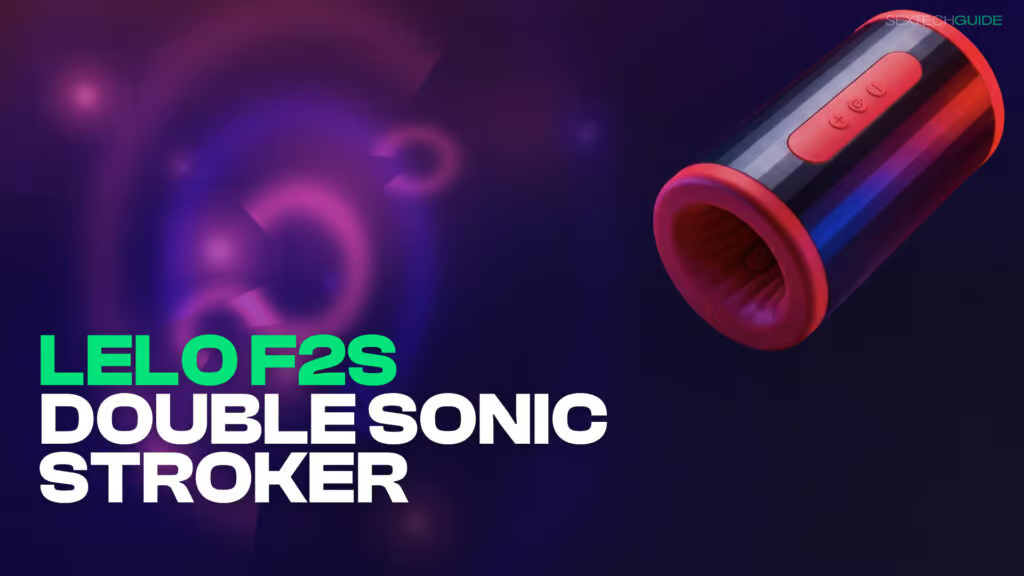
The new stroker counts 13 modes and 16 intensity levels, five of those modes app-only, which is closer to a…
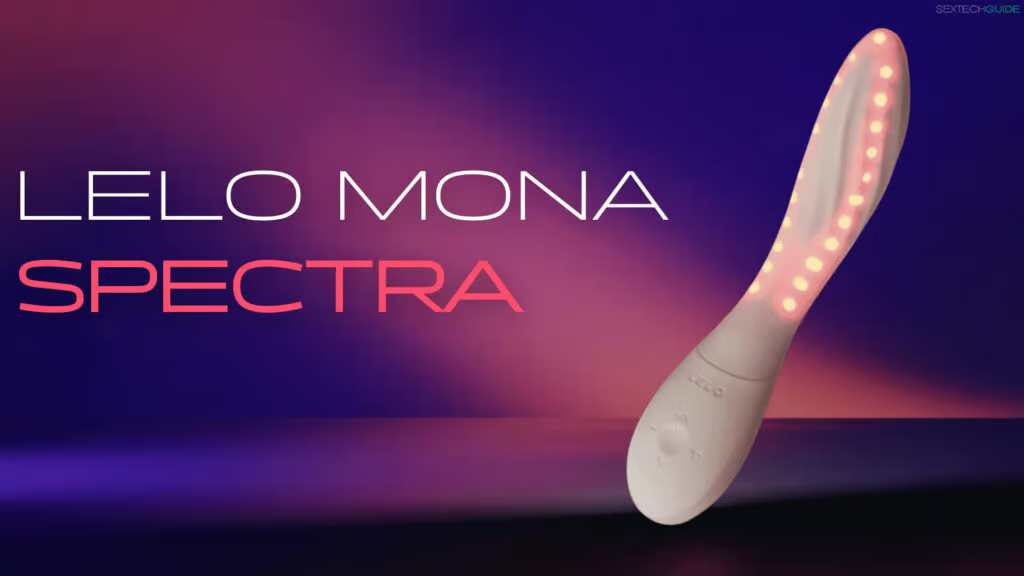
Vaginal red light therapy has mostly lived in wellness devices promising better lubrication and pelvic floor strength. Lelo's latest wand…
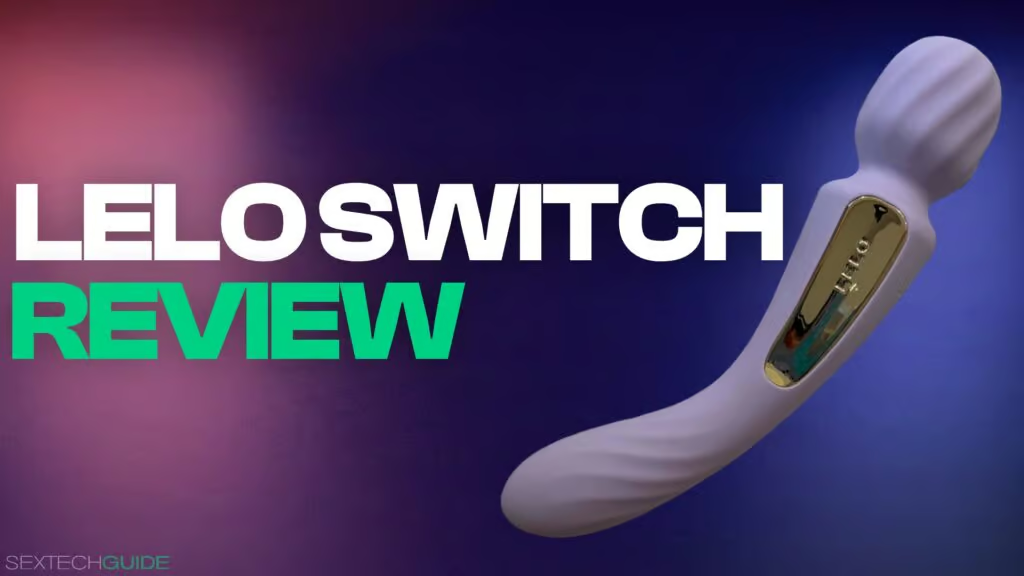
Lelo's dual-motor Switch stimulates internally and externally at once, and the build quality is exactly what $199 should buy. But…

Lelo leans hard on the word 'jackhammer' to sell subtlety, while gating its most interesting modes behind the app. Here's…

Most couples vibrators are designed around one person having a penis. Lelo's Boomerang skips that assumption entirely, fitting two insertable…
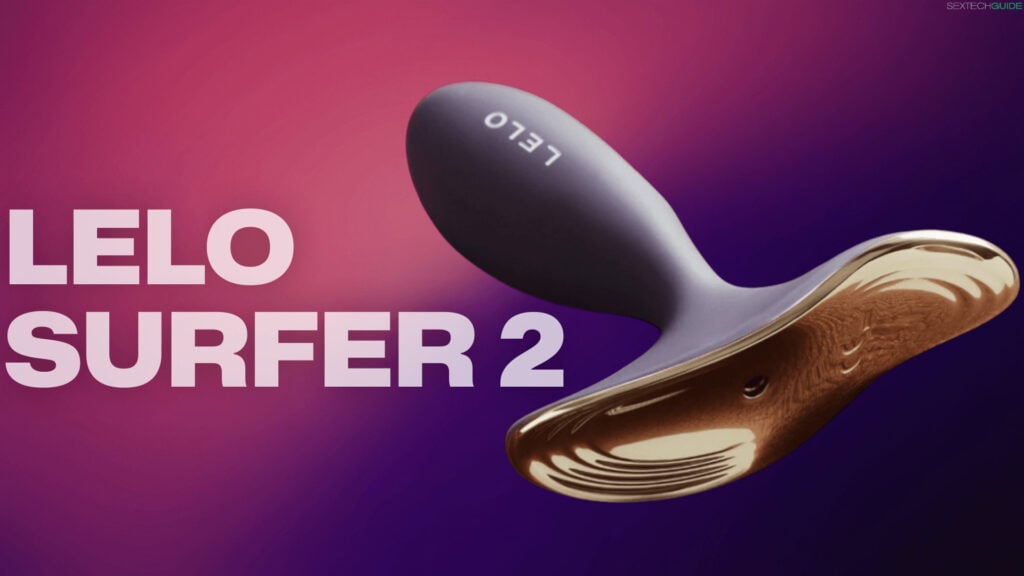
Lelo's follow-up to its original prostate massager drops the single-gender pitch and adds app control, partner play via Love Bridge,…

The maker of the popular Satisfyer Pro has lost its Australian patent battle, with a judge ruling the company couldn't…

Lelo has risen to prominence as one of the world's most luxurious sex toy brands and over the years has…

Lelo has released a new app-connected AI penis stroker device, designed to help the user improve their sexual performance through…

Oronova is a mid-range adult toy brand based in San Jose, California, US. The website states, "Oronova's products, from every…
Since the 1980s, rabbit vibrators have become a go-to choice for people with vaginas, thanks to their ability to deliver…

It's no secret that sex tech has changed our perception of sex and pleasure. From toys that help us explore…
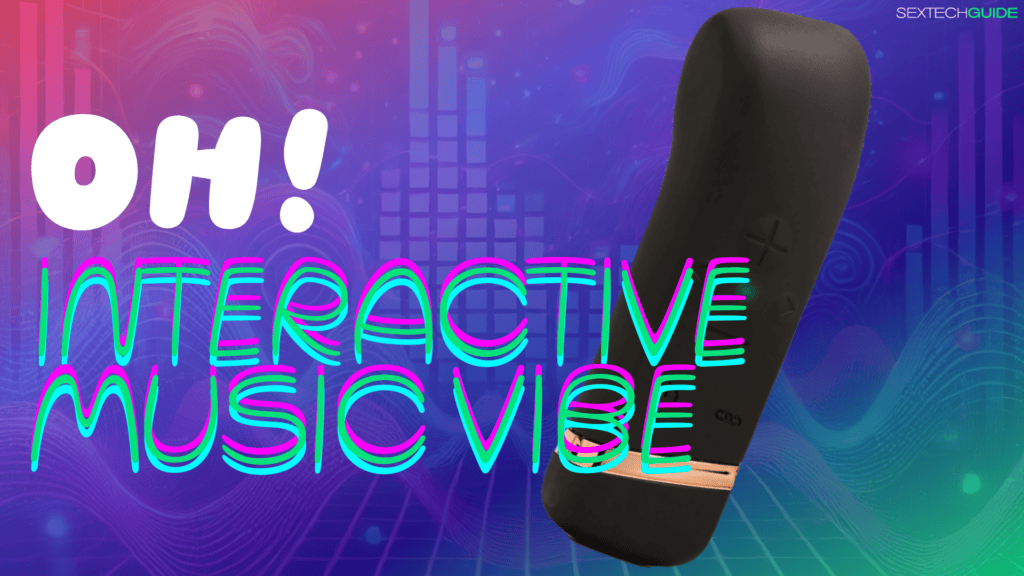
Ohdoki, the Norwegian company behind the popular Handy masturbator sextech devices, has released a TV remote control-style vibrator that uses…
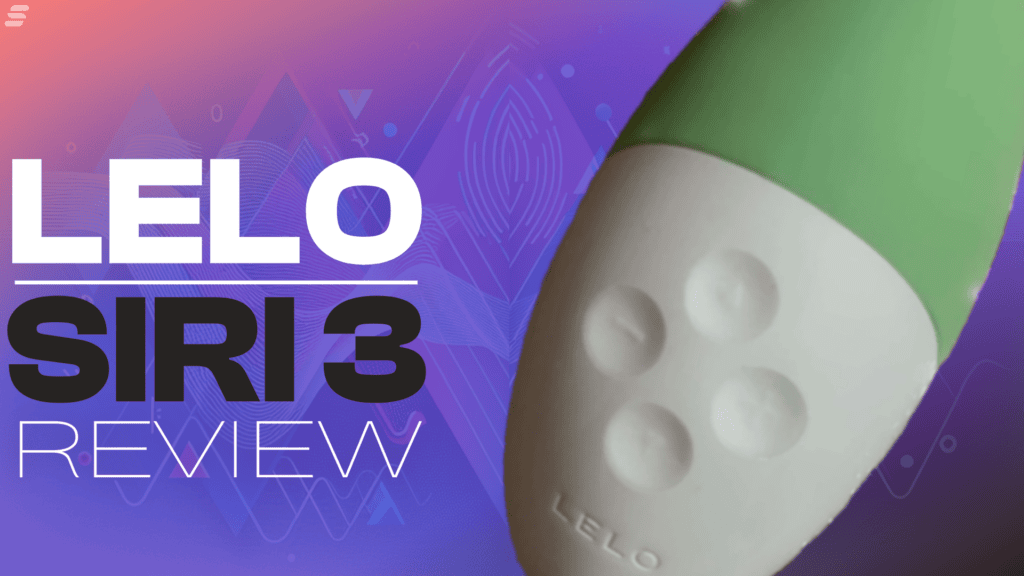
Lelo just added the Siri 3, a sound-activated vibrator, to its pleasure product lineup. This $159 palm-sized, yet powerful toy…

Those yet to experience the exhilarating rush of prostate play should know that an entire spectrum of satisfaction awaits. If…

The 'A-spot' is a defined section of the vagina that doesn’t get much focus in the world of sextech -…

In the quest to elevate intimate experiences, whether solo or shared, the cock ring – also known as a penis…

Lelo has released a new generation model in the company’s popular F1S penis masturbator range, adding AI functionality and an…

A new free web browser tool that allows sextech devices to sync with almost any online porn video has been…

Sex toy brand, Lelo, has released the next generation of its Hugo prostate massaging devices, aimed largely at men and…
From ArcWave to Kiiroo, here are the best penis strokers and masturbators (also known somewhat broadly as a 'pocket pussy')…

Designed to simultaneously enhance your listening experience and amplify your pleasure, sound-activated sex toys are innovative sex tech for those…

Over the past two years or so, sextech veterans are increasingly being approached by various consultancy agencies. They appear in…
Lelo, a prominent name in the intimate pleasure products industry, has unveiled the Tor 3, the latest addition to its…

Charlie Brooks, the actress best known for playing Janine Butcher in the unreasonably long-running BBC TV soap opera Eastenders (it…
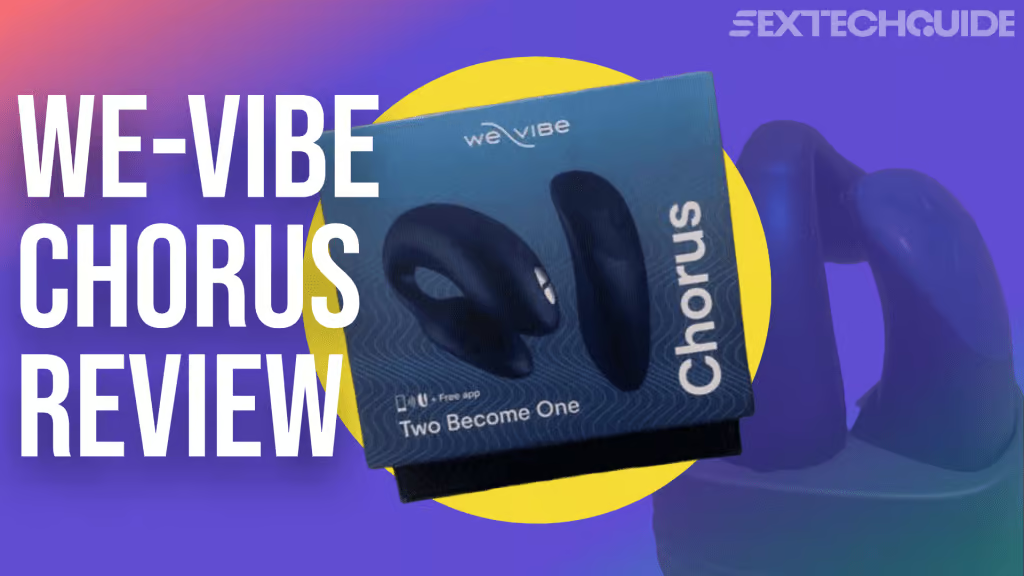
The We-Vibe Chorus is a 'C'-shaped internal vibrator made for G-spot and clitoral stimulation for people with vulvas and can…
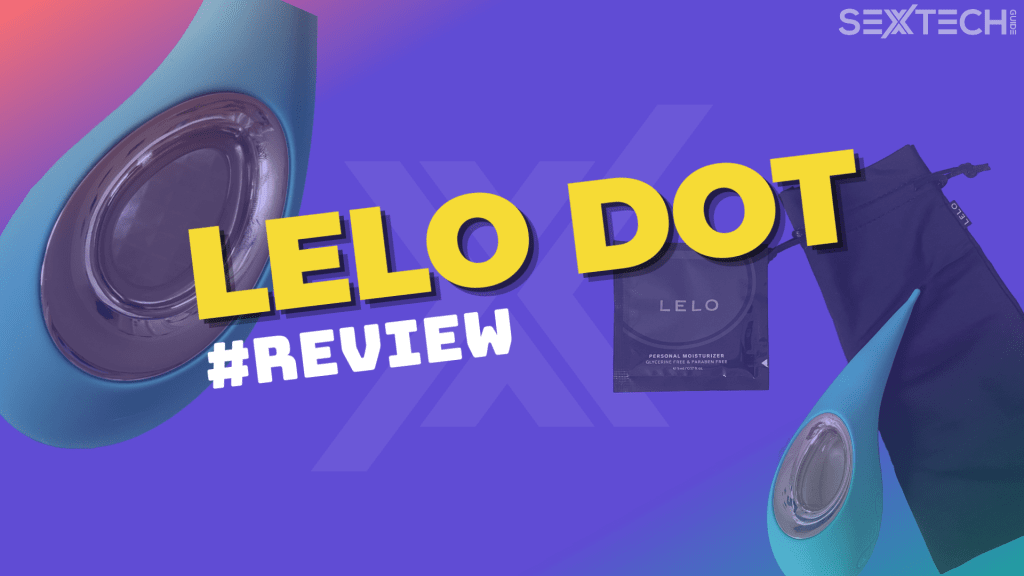
The latest to join the Lelo family is a pinpoint clit vibrator, designed for those who like direct stimulation. The…

Lelo is the latest sextech brand to slam Google and social media platforms, such as TikTok, for blocking sex-related content…

Lovehoney has released a new range of compact sex toys that vibrate in response to music (or indeed any other…
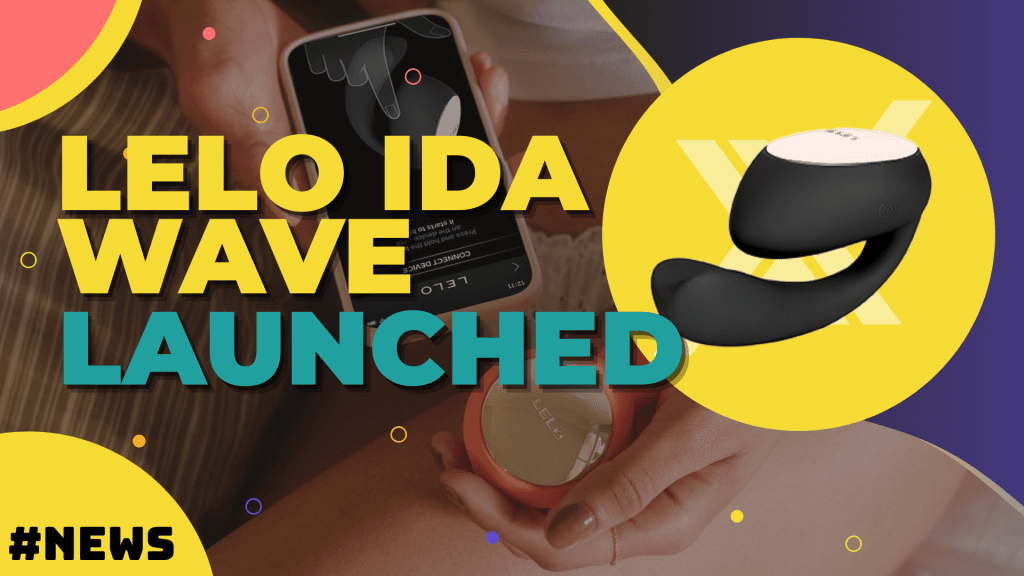
High-end sextech company Lelo has announced the launch of its latest app-connected dual vibrator device: the Ida Wave. The new…
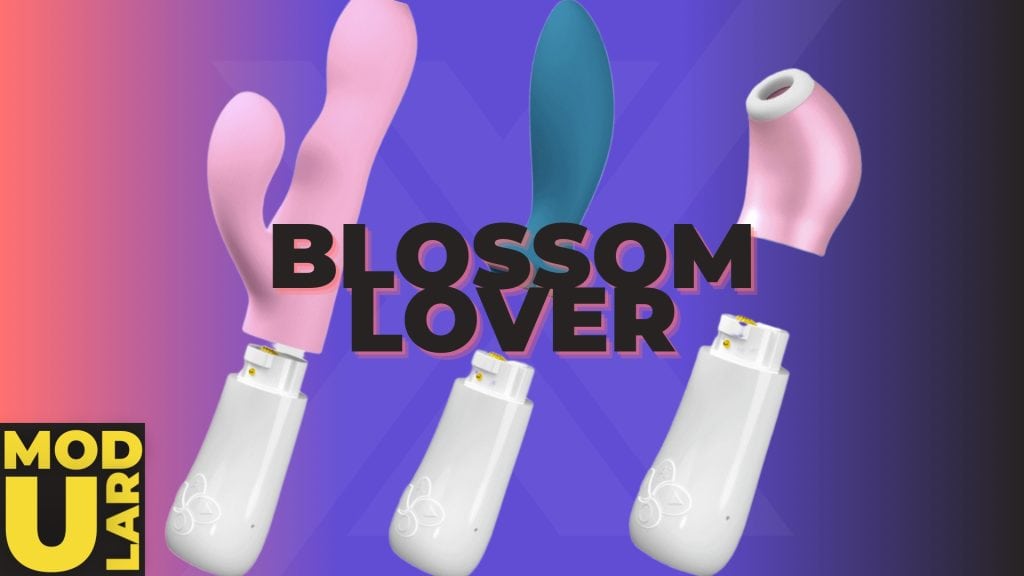
A sextech device claimed by its makers to be the world’s first "robotic module vibrator", designed to be linked to…

Lelo, the Swedish high-end sex toy company, has released a sequel device to its popular dual-action Enigma vibrator, which won…
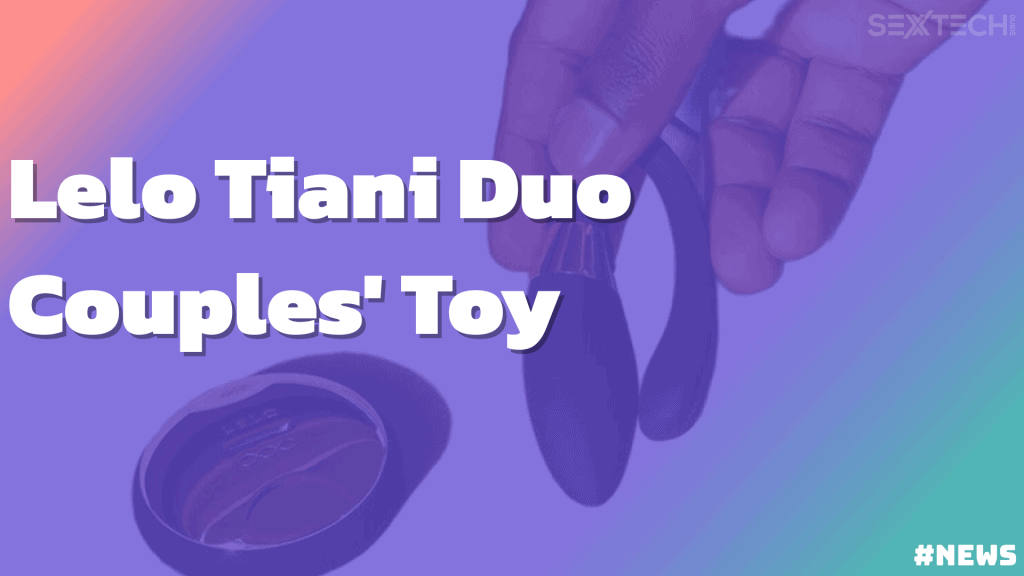
Lelo has announced its new couples’ vibrator device, the Tiani Duo, which is mainly designed to stimulate both the penis…

Having arguably conquered the world of denim, Diesel has become the biggest, and probably the first, mainstream clothes brand to…

While the wand has been unrivalled in its popularity for the last 50 years, the boom of the suction sex…

From personal massager to possibly the most iconic sex toy, the wand is well-known for its multi-purpose uses, its powerful…
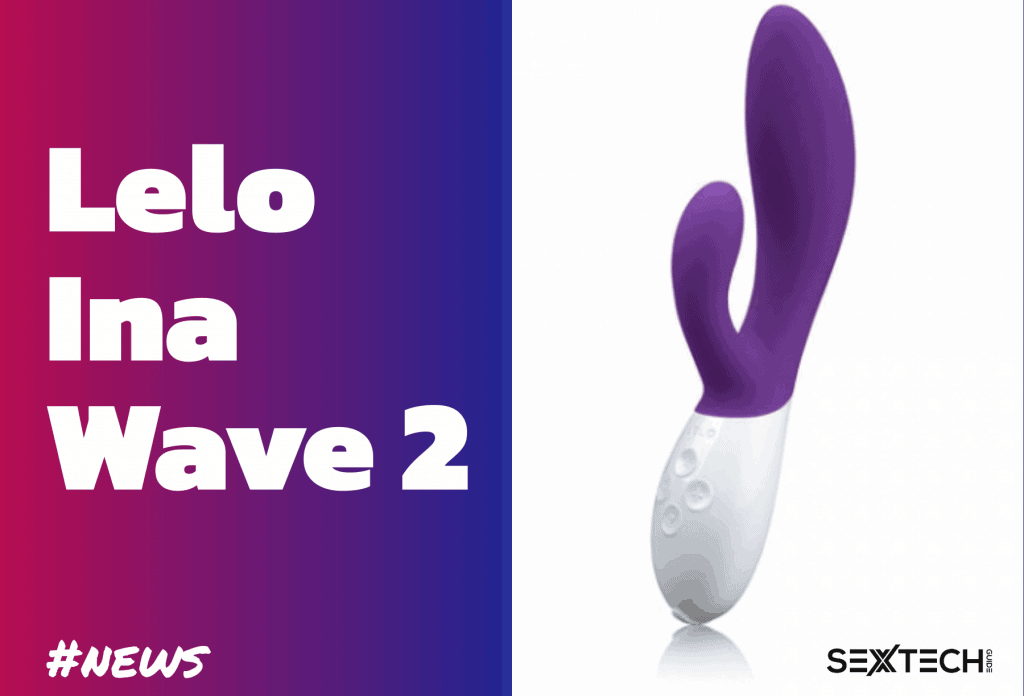
Luxury sextech brand Lelo has launched the INA Wave 2 vibrator: a high-end ‘rabbit’-style sex toy sequel to the company’s…

Sextech company Lelo has launched the Lelo F1s V2, the second generation of its premium penis masturbator device, the Lelo…

In 1998, Sex and the City premiered its famed ‘Rabbit’ episode, in which reserved Charlotte discovered the orgasmic joys of…
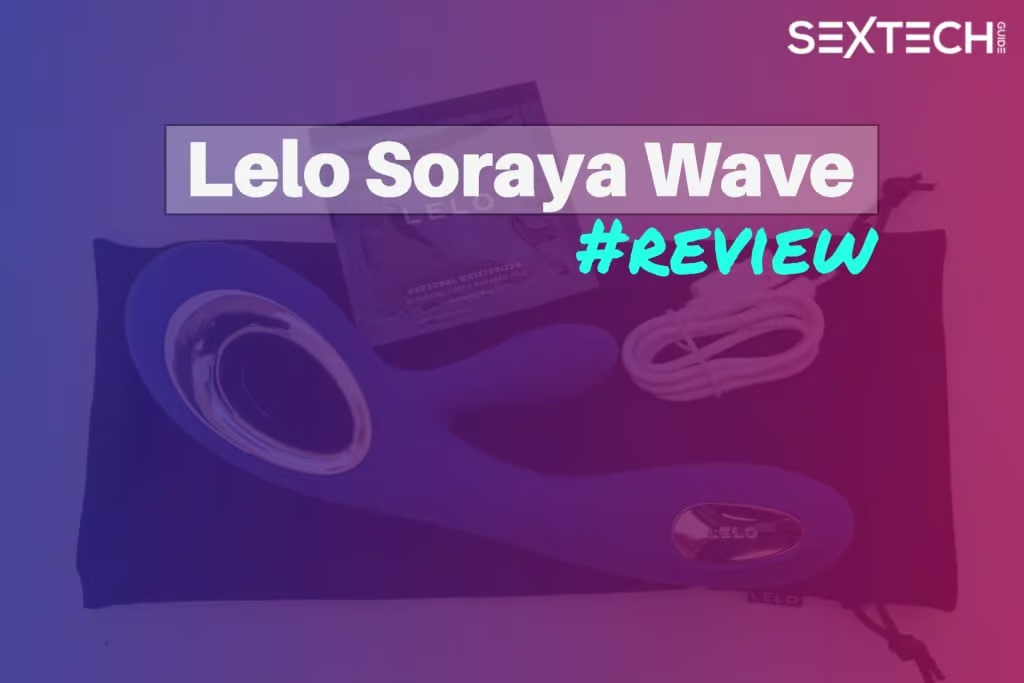
Lelo is making a name for itself as a maker of luxurious sextech, having won multiple awards for design in…
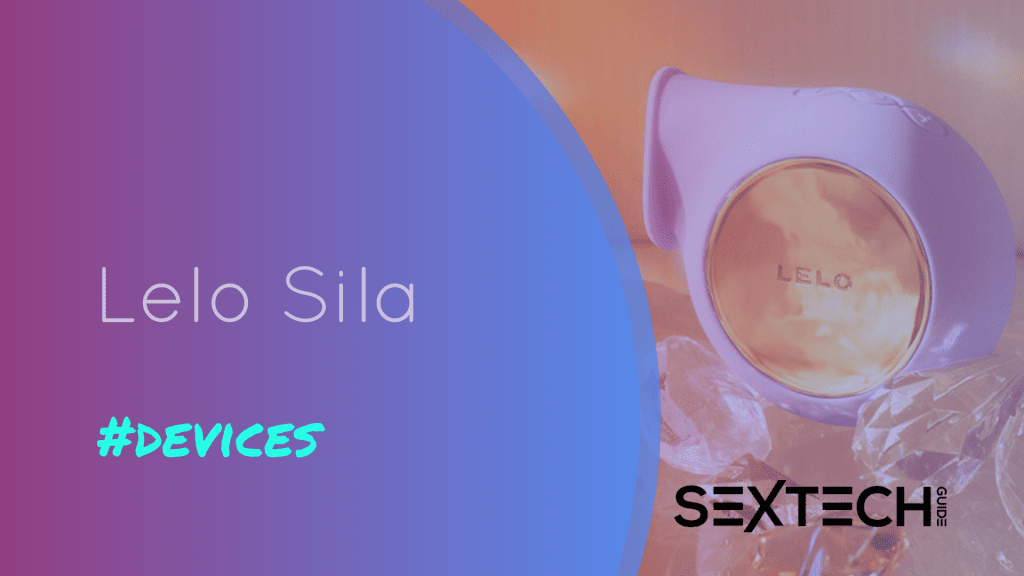
Luxury sex toy brand Lelo has launched its latest vibrator product with suction technology. Sila is a sonic clitoral massager,…
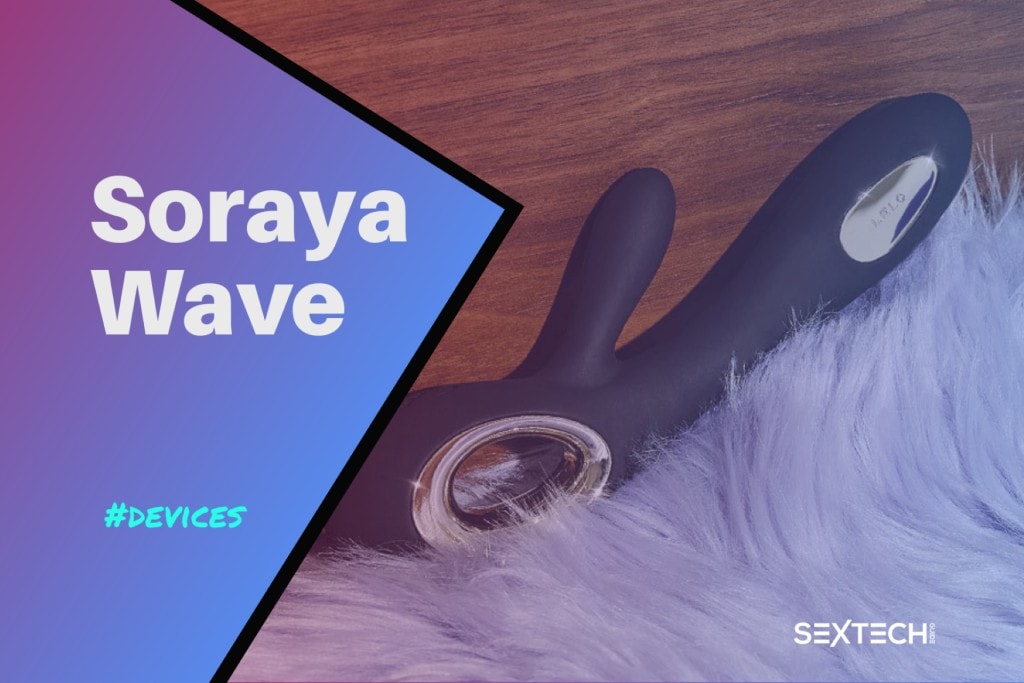
Sex toy maker Lelo has produced what it claims is ‘world’s most luxurious rabbit massager’. The Soraya Wave uses "Wavemotion"…
While there are some worthwhile futuristic experiences available to anyone today, there are still a few problems common to many…
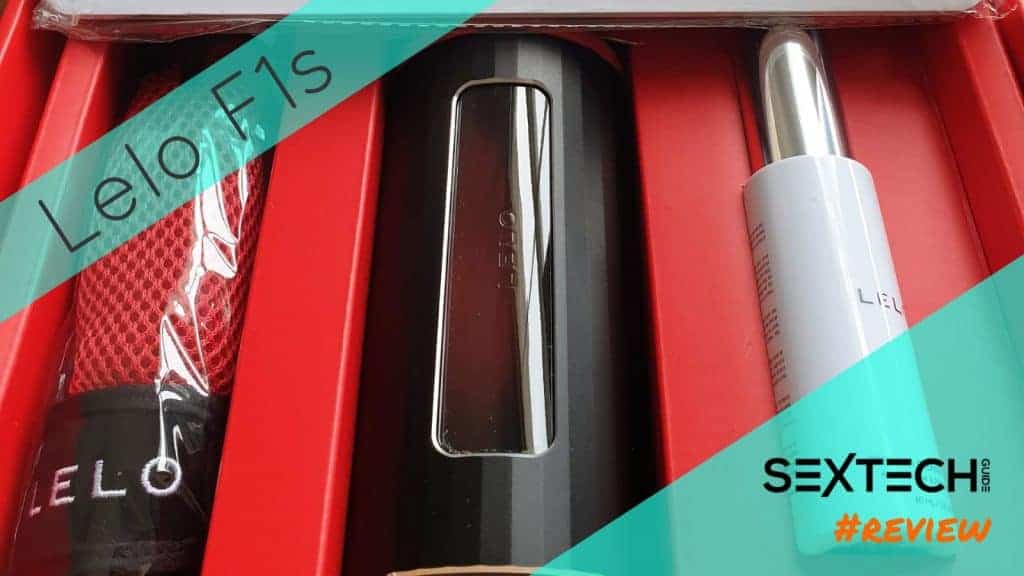
The Lelo F1S is a bit of a weird beast. Yes, it's a discreet 'male stroker' toy, but it's one…

Planning to travel the world? Being sent on a business trip? Off to romance with your partner on honeymoon island?…
With an ever-growing number of standalone sextech device reviews across the site, and an increased interest from the wider public,…

Venus Berlin, the ‘biggest erotic event in Europe’, took place last weekend, bringing more than 250 exhibitors from 40 countries…

Back in March, well-known "pleasure product" brand Lelo announced it was going to blow the never-changing world of condoms away.…
Privacy assessment under review. A score will be published once data quality checks pass.
Reader vote
Would you recommend this brand?
We may earn a commission when you buy through some links. Our editorial recommendations are independent.
Reader vote
Would you recommend this brand?